Your Smart Home’s Secret Enemy: How AI Glasses Are Stealing Your Data
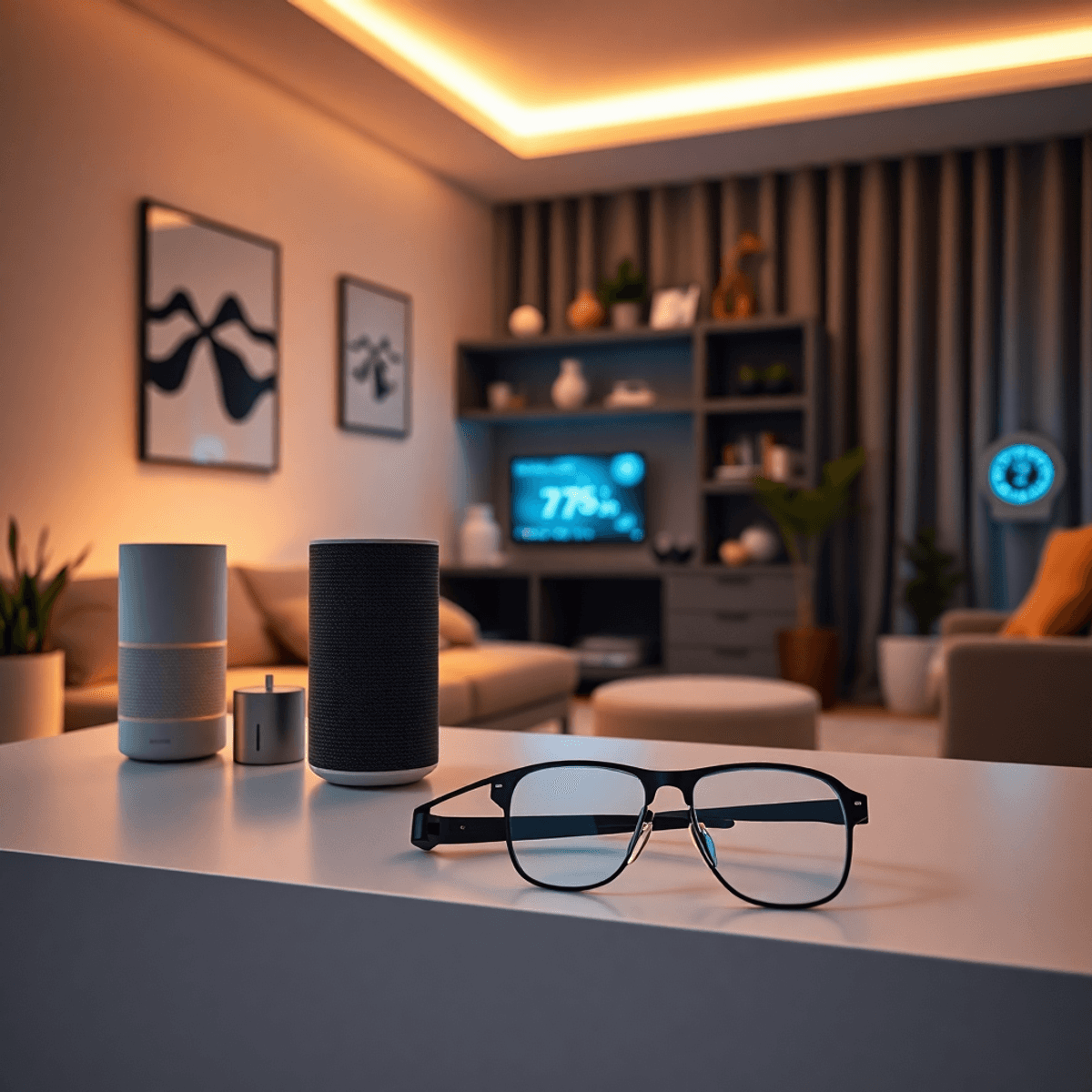
Data leaks can happen from smart home devices and AI glasses without users knowing. It's important to be careful with new technology in your home.
Chapter 1: The Risk of Data Leaks from Smart Home Devices
This chapter talks about the risk of data leaks from smart home devices like cameras, speakers, and locks. Many people don’t realize that hackers can access the data these devices collect, which could lead to privacy breaches or identity theft.
If smart devices aren’t properly secured, strangers can easily get personal information. Users need to understand these risks and take steps to protect their data while enjoying the benefits of smart technology.
As homes use more internet-connected devices like smart thermostats and voice assistants, knowing about data leak risks is very important.
Chapter 2: Apple’s Entry into AI Wearables
Apple entering the AI wearable market with smart glasses raises important questions about design, privacy, and what users expect. Unlike other companies that focused more on features than safety or looks, Apple wants to create an easy-to-use device that fits into daily life while protecting personal info.
This focus on privacy sets Apple apart from companies like Meta or Google, which often collect lots of data for ads. Apple processes much of the data locally instead of sending it all to central servers, improving security and giving users more control over their info.
Still, as these devices become common, issues about consent and who owns the data will grow. Users should be careful about what they share and how their data might be used beyond their immediate use of the device.
Chapter 3: The Ethical Challenge
The rise of AI glasses creates a tricky ethical situation where convenience conflicts with privacy rights. These devices offer helpful features like real-time translation or facial recognition but also constantly watch everything around them, raising questions about permission and personal freedom.
People might appear in recordings without knowing or agreeing because they aren’t aware the device is working. Even when permission is given at first, ongoing data collection can blur lines between okay use and unwanted spying.
Protecting personal info becomes very important as AI glasses become part of daily life; people should think about how they use this tech and its bigger impact on society’s acceptance of constant watching.
Chapter 4: New Developments in Home Entertainment
This chapter looks at advances in home entertainment tech while pointing out possible risks with data security and privacy leaks. As devices connect more—for smooth streaming or immersive sound—users need to stay aware of how their data is collected and used by these systems.
Many modern entertainment gadgets gather lots of info about what you watch or like, which could be misused if not properly protected. Also, connected systems mean a breach in one device could affect all smart appliances in a home network.
Chapter 5: The Robotics Revolution
The arrival of affordable humanoid robots changes daily life but also brings worries about data privacy and security risks tied to how they work. These robots help with chores or keep company but collect a lot of details about residents’ habits and routines.
If strong security isn’t in place, this info could be accessed by strangers or misused by makers for profit at the cost of user privacy.
Chapter 6: Foldable Phones & Future Tech
The launch of foldable phones like Huawei’s Pura X Max shows innovation in phone design but also brings new challenges for keeping data safe. These phones have complex parts like flexible screens and advanced sensors that increase the risk to personal info stored on them.
Apple’s future foldable phones will likely focus on protecting user privacy with strong security while fixing possible hardware weaknesses that come with these multi-use designs.
The fight against data leaks from smart home gadgets and AI glasses is ongoing and needs everyone’s awareness as technology changes fast. By understanding the risks linked to each type—wearables, entertainment systems, robots, or new smartphones—people can make smarter choices about using them and push for better industry rules that protect their rights along the way.
FAQs (Frequently Asked Questions)
What are the main privacy risks associated with AI glasses and smart home gadgets?
AI glasses and smart home gadgets continuously collect audio, video, and other personal data often without user knowledge. This data can be transmitted over networks and stored on cloud servers, making it vulnerable to unauthorized access by hackers, government surveillance, or companies exploiting data for targeted advertising. Weak security measures in these devices increase risks of data leaks, identity theft, and loss of privacy.
How does Apple address privacy concerns in its AI wearable technology?
Apple prioritizes privacy and user control in its AI wearables by implementing a minimalistic design focused on usability and discreet alerts. It uses private cloud storage and on-device data processing to minimize data transfer, enhancing security. Apple also emphasizes strong encryption for sensitive videos and photos, rigorous testing, and an app review process to ensure safety and protect user data from unauthorized access.
What security challenges do foldable phones present compared to traditional smartphones?
Foldable phones like Huawei Pura X Max introduce larger screens and more complex hinge mechanisms which increase potential security vulnerabilities due to additional parts. These complexities can lead to factory-to-daily-use data leakage risks and create weak points hackers might exploit to control linked smart home devices. Manufacturers like Apple invest in rigorous testing, encryption, and secure app reviews to mitigate these risks.
Why is user awareness crucial in securing smart home devices and AI glasses?
Many users lack understanding of how smart home devices collect, store, and transmit personal data. Awareness about the importance of changing default passwords, regularly updating firmware, reading privacy policies, and using strong authentication methods empowers users to make informed decisions. Educated users can implement safety precautions that reduce the risk of unauthorized access, data breaches, and privacy violations in connected ecosystems.
What ethical considerations arise from continuous surveillance capabilities of AI glasses?
Continuous audio-video recording by AI glasses raises significant ethical issues including consent violations, potential misuse for spying by governments or companies, and erosion of privacy rights. Balancing convenience with moral responsibilities involves techno-ethics discussions about trust-building, legislation to limit unwarranted tracking, public awareness campaigns, and ensuring transparent data collection practices aligned with users’ expectations.
How can consumers balance innovation benefits with privacy protection when adopting new home entertainment technologies?
Consumers should stay informed about the data collection practices of streaming services and connected entertainment devices. Reading privacy policies carefully, choosing products with strong security features like encryption and regular updates, changing default passwords, and avoiding unsafe third-party apps help mitigate risks. Advocating for industry standards that prioritize transparency and accountability also supports safer adoption while enjoying technological advancements.


Comments
Post a Comment