Keycard Update 2026: Hotel & Condominium Key Cards Explained
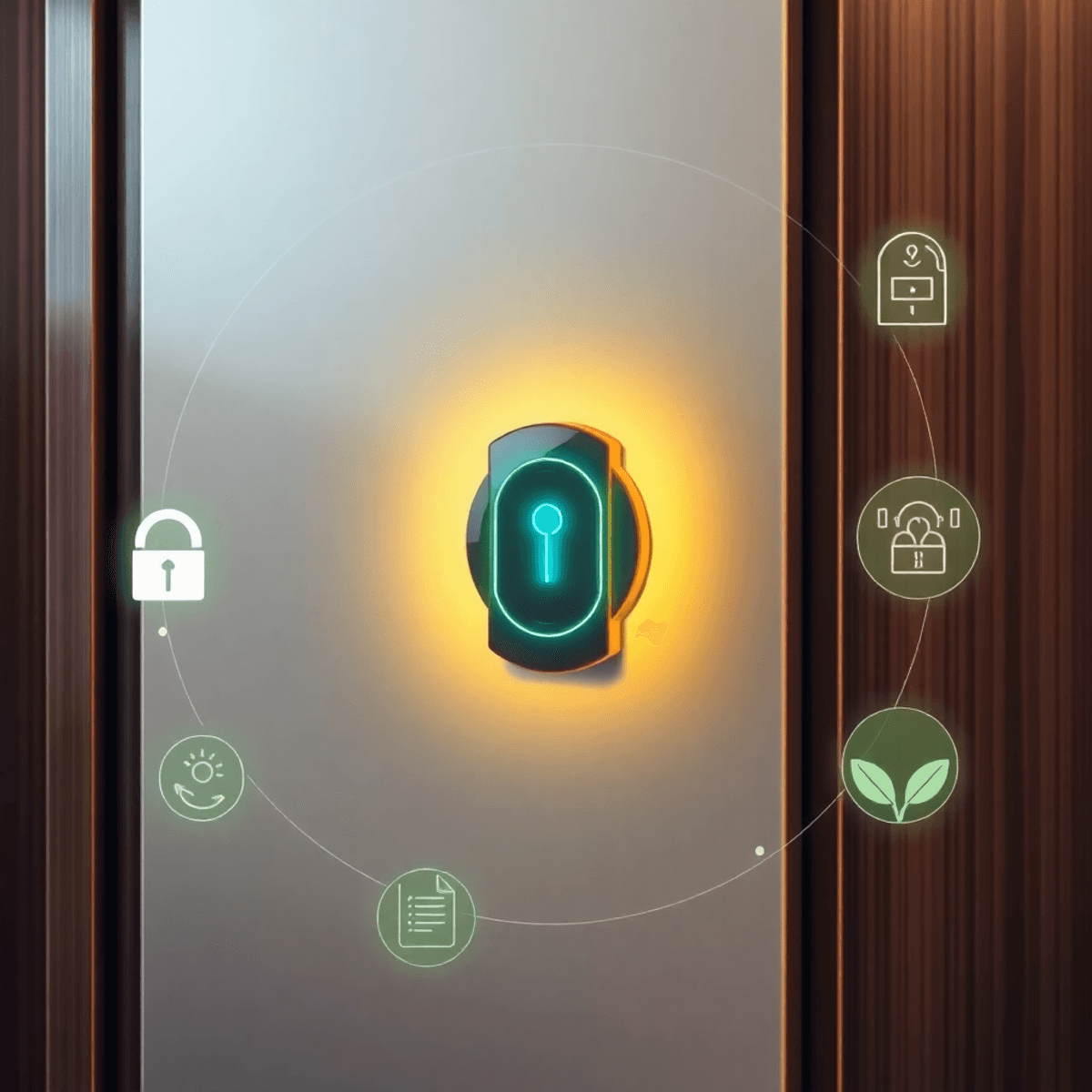
Keycard systems are now a must-have for hotel and condo security and how people get in and out. These devices do more than open doors. They help keep guests safe, make work easier, and improve how people feel about their stay. As things change, keycard solutions have grown from simple ways to get in, into smart tools. They now come with strong safety features and can do many things at once.
However, while keycard systems play a vital role in access management, comprehensive security measures should not stop there. Integrating CCTV systems into your security framework can provide an additional layer of protection. These surveillance systems can monitor common areas, deter potential threats, and provide valuable evidence if needed.
Keycard update 2026 highlights significant advancements in this space. Expect enhanced security features such as AES encryption, new material options like wooden keycards for eco-conscious branding, and innovative forms including RFID wristbands that double as access and payment devices. These developments reflect a shift towards smarter, safer, and more sustainable access control systems.
This article covers:
- The evolution of hotel key cards from magnetic stripes to smart RFID technology
- Various types of keycards available in 2026, including traditional and eco-friendly designs
- How RFID technology strengthens security compared to older methods
- Importance of ISO certification and authentic chip usage for reliable compatibility
- Integration of keycards with guest services to boost operational efficiency
- Cost factors when ordering keycards in bulk and customization options
- Strategies for seamless keycard replacement minimizing guest disruption
- Legal frameworks and the role of jurisdiction offices overseeing condominium access controls
- Future trends such as biometric integration and sustainability in materials
Understanding these facets helps you stay informed about the latest hotel key cards and condominium key cards on the market. You will gain insights into how these innovations impact security, guest satisfaction, and property management — critical knowledge for making informed decisions about your access control infrastructure.
Additionally, exploring options like night CCTV cameras or CCTV cameras with mobile monitoring can further enhance your property's security. It's important to choose the right type of CCTV camera that suits your specific needs; resources such as this guide can be invaluable in making that decision.
Evolution of Hotel and Condominium Key Cards
The keycard update in the hospitality and residential sectors has followed a clear technological trajectory. Early hotel magnetic key cards were simple plastic cards embedded with a magnetic stripe, much like credit cards. These magnetic keycards stored access information encoded on the stripe, which hotel locks read when the card was swiped. This technology dominated for decades because it was inexpensive and easy to produce.
Challenges with Magnetic Keycards
Despite their prevalence, magnetic keycards presented several challenges:
- Susceptibility to demagnetization from magnets or electronic devices.
- Wear and tear causing read errors.
- Limited security due to static data that could be copied with relative ease.
These limitations pushed the industry toward more advanced solutions. The introduction of electronic key cards marked a turning point. These cards incorporated microchips communicating via radio frequency identification (RFID) technology rather than relying on magnetic stripes. RFID cards do not require physical contact or swiping; simply presenting the card near a reader grants access.
Benefits of Smart Key Cards
The transition from traditional hotel magnetic key cards to smart key cards brought several benefits:
- Improved security through encrypted data transmission.
- Enhanced convenience for guests by reducing card failures.
- Increased durability since RFID chips are less prone to physical damage.
- Ability to integrate with property management systems for dynamic access control.
Changes in Condominium Access Systems
In condominiums, similar shifts occurred. Traditional keys or mechanical fobs gave way to electronic key card systems that made managing resident access simpler and more secure. Smart keycards allowed property managers to revoke or update permissions instantly without changing physical locks.
Future Developments in Key Card Technology
Technological progress continues with smart keycards evolving beyond passive RFID into active or battery-powered versions, capable of two-way communication and integration with mobile apps. This evolution sets the stage for current trends like AES-encrypted RFID cards and multifunctional devices such as wristbands.
Understanding this history of hotel and condominium keycard systems provides context for appreciating the advantages of modern electronic key cards and anticipating future innovations shaping guest experiences and operational efficiency.
Moreover, as we embrace these advancements in keycard technology, there's also an increasing need for enhanced security measures in both hotels and condominiums. This is where CCTV camera systems can play a vital role. By integrating AI object detection into these systems, property managers can significantly enhance security protocols.
Furthermore, the integration of perimeter security measures with these advanced CCTV systems can provide an added layer of protection against unauthorized access. In case of any intrusion attempts, these CCTV intrusion detection and prevention systems can alert property managers in real-time.
Types of Key Cards Used in Hotels and Condominiums in 2026
When you explore the types of hotel key cards available in 2026, you'll find a range tailored to different security needs, guest convenience, and branding objectives. The evolution from simple magnetic stripe cards to advanced smart key cards reflects the growing demand for technology that balances functionality with style.
Magnetic Key Cards
Magnetic stripe cards remain in use due to their low cost and simplicity. These hotel room key cards store data on a magnetic strip that is swiped through a reader.
Advantages of Magnetic Key Cards
- Inexpensive to produce and replace
- Widely compatible with older lock systems
Disadvantages of Magnetic Key Cards
- Vulnerable to damage from scratches or magnets
- Less secure due to easy cloning and data theft
Many properties still rely on magnetic key cards for budget-friendly options or as backup keys, but their limitations have prompted a shift towards electronic alternatives.
RFID Key Cards
Radio Frequency Identification (RFID) cards dominate the market today, particularly the 1K RFID variety compatible with popular locking systems like Assa Abloy. These electronic key cards use radio waves to communicate with door locks without physical contact.
Advantages of RFID Key Cards
- Enhanced security over magnetic stripes
- Faster, contactless access improves guest experience
- Durable and resistant to wear and tear
Disadvantages of RFID Key Cards
- Slightly higher cost than magnetic cards, though prices continue to drop
RFID technology supports encrypted communication and can be integrated with property management systems for seamless control. This makes RFID the preferred choice for mid- to high-end hotels and condominiums aiming for better security and operational efficiency.
However, it's important to note that even with advanced RFID technology, there are still vulnerabilities that can be exploited if proper security measures are not implemented. For instance, understanding how to master home security can provide valuable insights into safeguarding against potential threats such as unauthorized access or data breaches.
Wooden and Custom-Designed Key Cards
To differentiate brands or embrace sustainability, many hotels now offer custom key cards made from wood or other eco-friendly materials. These serve both as access devices and marketing tools.
Features of Custom-Designed Key Cards
- Crafted from sustainably sourced wood or biodegradable plastics
- Printed with logos, artwork, or personalized guest information
- Appeal to environmentally conscious guests without sacrificing functionality
Using such custom key cards enhances brand identity and aligns with green initiatives increasingly valued by travelers.
RFID Wristbands as Multifunctional Access Devices
A growing trend in resorts and luxury condominiums is the adoption of RFID wristbands that replace traditional card formats altogether.
Benefits of RFID Wristbands
- Provide room access plus additional features like cashless payments, gym entry, or event tickets
- Waterproof and durable for active lifestyles
- Streamline guest interactions by consolidating multiple functions into one wearable device
This multifunctionality elevates guest convenience while allowing properties to gather valuable usage data for improved service delivery.
By understanding these diverse types of hotel key cards—from traditional magnetic stripes to innovative RFID wristbands—you can better assess which solutions fit your property's security standards and guest experience goals.
RFID Technology and Its Impact on Security
Understanding RFID technology is essential to grasp why it has become the dominant system in hotel and condominium keycards today. Unlike magnetic stripe cards that require physical contact or swiping, RFID (Radio Frequency Identification) uses radio waves to communicate between the keycard and the locking device. This contactless approach provides several distinct advantages:
- Durability: RFID cards suffer less wear and tear since there’s no direct contact with a reader. This reduces replacement frequency.
- Speed and Convenience: Access is granted almost instantly by simply holding the card near the sensor, improving guest experience.
- Improved Data Capacity: More information can be stored securely on an RFID chip compared to traditional magnetic stripes.
- Resistance to Damage: Magnetic stripes are prone to demagnetization through exposure to magnets or scratches, a vulnerability absent in RFID cards.
The shift from older technologies like magnetic stripes to RFID was driven by these operational benefits combined with enhanced security capabilities. However, as cyber threats evolve, so too must the security measures embedded within these systems.
AES Encryption for Modern Security Key Cards
A major breakthrough in security key card technology comes with the integration of AES encryption (Advanced Encryption Standard). AES-encrypted cards represent a significant step up from legacy RFID cards that often operated without strong encryption or used basic proprietary algorithms vulnerable to cloning or hacking attempts.
Key features of AES-encrypted cards include:
- Robust Cryptographic Protection: AES encryption uses complex algorithms that make unauthorized duplication or interception extremely difficult.
- Future-Proofing Access Control Systems: Properties investing in AES-encrypted cards now reduce risks related to upcoming security challenges.
- Compliance with Industry Standards: Many security regulations and certifications now recommend or mandate AES-level encryption for electronic access devices.
- Compatibility with Existing RFID Infrastructure: AES-encrypted keycards can work seamlessly within current RFID systems while upgrading their security posture.
Hotels and condominiums adopting this technology benefit from stronger defenses against unauthorized entry and data breaches, directly impacting guest safety and trust. This is where understanding broader security concepts becomes crucial. For instance, mastering CCTV security camera usage can further enhance property safety.
“AES encryption is not just about protecting access; it’s about safeguarding your property’s reputation,” notes a leading access control specialist.
The 2026 keycard update reflects this emphasis on enhanced protection. Integrating AES encryption ensures your keycard system stays ahead of potential vulnerabilities without sacrificing user convenience.
Security-focused innovations like these make clear why moving away from magnetic stripe cards toward advanced RFID solutions is more than just technological progress—it’s a necessary evolution for modern hospitality environments. Additionally, implementing robust home security measures such as smart wire-free systems or bullet cameras could provide an extra layer of protection for properties.
Keycard Compatibility and Standards
Ensuring your keycards meet industry standards is critical for reliability and seamless operation in hotels and condominiums. ISO certification stands as a benchmark for quality and interoperability. Cards adhering to ISO standards guarantee consistent physical dimensions, magnetic stripe encoding, and data formatting. This uniformity allows easy integration with a wide range of door locks and access control systems.
Using authentic NXP chips plays a pivotal role in the performance and security of RFID keycards. NXP Semiconductors is a trusted supplier known for producing high-quality RFID chips that support secure communication protocols and robust encryption. When keycards incorporate genuine NXP chips, you benefit from:
- Enhanced read/write speed
- Lower failure rates
- Improved resistance to cloning or hacking attempts
- Compatibility with established locking systems
Compatibility extends beyond the card itself to the hotel or condominium’s locking infrastructure. For example, Assa Abloy locking systems are widely adopted in leading hospitality chains due to their durability, advanced security features, and ease of integration with modern keycard technologies. Choosing keycards compatible with Assa Abloy or similar major locking platforms ensures:
- Smooth guest check-in experiences without technical hiccups
- Reduced maintenance issues related to card-reader mismatches
- Simplified training for staff managing access control
Hotels often face challenges when mixing incompatible cards with existing locks—issues such as failed reads or delayed door openings frustrate guests and increase operational costs. Ensuring that your keycards meet ISO standards, include authentic NXP chips, and align with dominant locking system protocols like Assa Abloy mitigates these risks.
Compatibility also influences future scalability. As you upgrade or expand your property’s access control systems, standardized cards allow easier transitions without full replacements of hardware or software components. This flexibility saves both time and money while maintaining a consistent guest experience across multiple properties or facilities.
In summary, prioritizing ISO certification, authentic NXP chip technology, and compatibility with major locking systems such as Assa Abloy creates a foundation of reliability. Your keycard system will deliver secure, smooth operation that meets both guest expectations and operational demands. To further enhance security measures within your establishment, consider integrating advanced solutions like those offered by Assa Abloy, which are designed to provide unmatched security features while ensuring seamless compatibility with your existing keycard system.
Integration with Guest Services and Operational Efficiency
Hotels and condominiums are increasingly using wireless control solutions to improve both guest convenience and operational efficiency. These systems eliminate the need for batteries in switches, which reduces maintenance demands and supports sustainability goals. By removing battery dependency, properties can avoid frequent replacements, leading to lower operating costs and a smaller environmental impact.
Seamless Integration for Energy Savings
Wireless control solutions work perfectly with existing energy management systems, enabling property managers to monitor and adjust energy usage in real-time. This integration results in significant energy savings by automatically controlling lighting, heating, and cooling based on room occupancy detected through keycard use or motion sensors.
Key Benefits of Wireless Control Solutions
The implementation of wireless control solutions brings several advantages:
- Streamlined access control: With wireless solutions, keycards can be programmed and updated remotely without any physical contact. This simplifies the guest check-in and check-out processes.
- Reduced maintenance efforts: Since these solutions operate without batteries, there will be fewer hardware replacements required. This means less downtime and smoother facility management.
- Enhanced guest experience: Energy adjustments that occur automatically create comfortable environments tailored to each guest's presence, resulting in higher satisfaction levels.
- Improved sustainability: Lower energy consumption aligns with green building certifications and eco-friendly branding initiatives.
Optimizing Workflows with Integrated Technologies
Property managers find these technologies valuable for optimizing their workflows. The integration of keycard systems with building automation platforms allows for centralized control across multiple units or floors. This enhances security protocols while promoting efficient resource usage.
By using wireless control solutions alongside advanced energy management systems, hotels and condominiums can provide smarter guest services while also achieving operational savings—an essential balance in the competitive hospitality industry.
Ordering Key Cards: Cost Considerations and Supply Chain Insights
When planning a keycard update for hotels or condominiums, understanding the keycards price and supply chain dynamics is crucial. Pricing structures vary significantly depending on the technology and customization involved.
Typical Pricing Models
Keycards are commonly sold in bulk, often in boxes of 200 units. Prices fluctuate based on the card type:
- Magnetic stripe cards: These tend to be the most affordable option, with lower production costs but limited security features.
- Standard RFID cards (e.g., 1K RFID): Slightly higher in price due to embedded chips and increased durability.
- AES-encrypted RFID cards: Command premium pricing because of advanced encryption that provides enhanced security and future-proofing capabilities.
- Customized cards (wooden or branded): Custom designs add to the cost due to specialized materials, printing techniques, and branding requirements.
Factors Influencing Costs
Several elements affect the final hotel key card cost:
- Chip type AES-encrypted chips increase manufacturing complexity and cost compared to standard RFID chips. Hotels aiming for higher security will find investment in AES-encrypted cards worthwhile despite the higher upfront expense.
- Customization level Wooden keycards or those featuring unique artwork and branding demand more intricate production processes. Customization can include logos, guest information printing, or eco-friendly materials, all adding layers of cost.
- Order quantity Bulk orders typically reduce unit costs but require careful forecasting to avoid excess inventory or shortages.
- Supplier reliability and certification Cards manufactured with ISO certification and authentic NXP chips might carry a slightly higher price tag but offer superior compatibility and reliability—critical factors in maintaining seamless operations.
Supply Chain Insights
Reliable suppliers ensure quick shipping times, often with return policies covering defective or incompatible cards. This reduces downtime during keycard updates and helps maintain guest satisfaction. Many providers also support integration with popular locking systems like Assa Abloy, simplifying deployment across multiple properties.
You can expect cost variations based on regional availability of raw materials and chip technologies. Strategic sourcing from trusted manufacturers safeguards against delays that could disrupt hotel or condominium access control systems.
Understanding these cost drivers empowers decision-makers to balance budget constraints with technological advancements in keycard security and functionality. For instance, exploring different types of thermal technologies could offer insights into more efficient production methods that could ultimately lower costs while maintaining quality.
Key Card Replacement Strategies in Hotels and Condominiums
Replacing or updating key cards is a routine part of managing hotel and condominium access control systems. A well-planned key card replacement strategy ensures security remains tight, and guest experience stays smooth.
Common Reasons for Key Card Replacement
Here are some common reasons why hotels and condominiums need to replace key cards:
- Lost or stolen cards: When a guest reports a lost key in card or fob key card, immediate deactivation and reissuance are necessary to prevent unauthorized access.
- Security upgrades: Transitioning to newer technologies, such as moving from magnetic stripe cards to AES-encrypted RFID cards or introducing wooden key cards for branding, requires systematic replacement.
- Wear and tear: Frequent use causes physical degradation of cards, leading to read errors at door locks or malfunctioning with the hotel key card programmer.
- Change in guest or resident: Each new occupant needs a personalized card programmed to specific access permissions.
- System compatibility updates: Locking systems sometimes undergo firmware upgrades necessitating updated card formats or chip types.
Seamless Replacement Process
Hotels and condominiums prioritize minimizing inconvenience during the replacement process. Here are some best practices they follow:
- Pre-programming new cards: Using advanced key card programmers helps pre-load new credentials before issuance, reducing wait times.
- Immediate deactivation: The old key card's access rights are revoked instantly once the replacement is issued, maintaining security integrity.
- On-site availability: Keeping an inventory of common card types—standard magnetic stripe, RFID, wooden key cards—ensures quick swaps without delays.
- Guest communication: Clear instructions on how to use the new key card access system reduce confusion during check-in or move-in.
- Integration with management software: Automated systems track issued and returned key cards, flagging any missing or duplicated devices.
Specialized Considerations
Here are some specialized considerations for key card replacement strategies:
- Some hotels incorporate multifunctional options like RFID wristbands alongside traditional key cards for added convenience. Replacement strategies must account for these devices’ unique programming and distribution workflows.
- Wooden or custom-designed cards may require longer lead times but offer enhanced branding opportunities; replacements should be scheduled proactively to avoid stock shortages.
A comprehensive approach to key card replacement blends technology with operational efficiency, ensuring secure access control while keeping guests and residents satisfied with their entry experience.
Legal & Jurisdictional Considerations in Condominium Access Controls
Electronic access controls in condominiums operate within a complex legal framework designed to protect residents' safety, privacy, and property rights. These frameworks vary by region but share common principles aimed at regulating how access systems are installed, managed, and maintained.
Key components of legal frameworks include:
- Data Privacy Laws: Regulations often mandate strict handling of personal data collected through keycard systems. This includes encryption requirements and limitations on data sharing.
- Safety Compliance: Access control installations must meet fire safety and emergency egress standards to ensure occupant safety during crises.
- Accessibility Requirements: Legal mandates ensure that access technologies accommodate residents with disabilities, adhering to standards such as the ADA (Americans with Disabilities Act) in the United States or equivalent laws elsewhere.
- Vendor Certification: Some jurisdictions require that keycard systems be certified or approved by recognized authorities before deployment.
The jurisdiction office plays a pivotal role in enforcing these regulations. This government or municipal entity acts as the regulatory body overseeing electronic access control compliance within its territory.
Functions of the jurisdiction office include:
- Inspection and Approval: Reviewing access control installations for adherence to local codes before granting operation permits.
- Ongoing Compliance Monitoring: Conducting periodic audits or inspections to verify that security measures remain effective and privacy safeguards are upheld.
- Incident Investigation: Responding to complaints or breaches involving unauthorized access or data misuse related to condominium keycard systems.
- Guidance and Enforcement: Issuing guidelines for best practices and imposing penalties or corrective actions when violations occur.
Property managers and condominium associations must maintain open communication with their respective jurisdiction offices. Early engagement ensures that access control upgrades or new system installations align with current legal requirements, avoiding costly retrofits or fines.
Understanding local laws paired with jurisdiction office oversight helps balance technological innovation with resident protection, fostering trust and confidence in electronic access solutions deployed across condominiums.
Future Trends in Keycard Technology Beyond 2026
The world of hotel key cards is about to change quickly, thanks to improvements in security, convenience, and eco-friendliness. After 2026, we can expect keycards to focus on using new technologies that make both guests and property managers happier.
Biometric Authentication Integration
One exciting development is the combination of biometric systems with regular RFID or smart cards. Features like fingerprint scanning, facial recognition, or iris scanning could be built directly into keycards or used alongside them. This integration has several benefits:
- Enhanced security: Biometrics provide a unique way to verify identity that is hard to copy or steal.
- Personalized access: Guests could enter their rooms without needing to carry a physical card by using biometric data linked to their profiles.
- Reduced fraud risk: Lost or stolen cards become less useful since access requires biometric verification.
Hotels and condominiums using these mixed solutions can expect fewer cases of unauthorized entry while making check-in processes smoother.
Sustainability Trends Affecting Materials
Environmental concerns are increasingly influencing how keycards are designed and made. Future trends suggest a move towards eco-friendly materials, especially for custom or wooden keycards used in boutique hotels and luxury condominiums. Key points include:
- Biodegradable composites: Switching from plastic cards to biodegradable materials reduces harm to the environment.
- Sustainably sourced wood: Wooden keycards made from responsibly harvested timber appeal to environmentally conscious guests and strengthen green branding.
- Recyclable components: Using easily recyclable chips and laminates supports principles of a circular economy.
These sustainable options not only meet the growing demand for responsible products but also help properties comply with stricter environmental regulations.
Multifunctional Access Devices
Keycards are evolving beyond just being used for opening doors. In the future, they may also include:
- Payment capabilities for easy transactions within hotel premises.
- Loyalty program connectivity for personalized offers and rewards.
- Smart room controls allowing guests to adjust lighting, temperature, and entertainment settings through their access device.
This combination of functions makes it more convenient for guests by putting multiple features into one secure token or wearable device.
Integration of AI in Security
Additionally, the use of AI technology in security systems, including keycard usage, is set to bring about significant changes in the hospitality industry. For example, AI CCTV cameras can work together with smart keycards to provide better surveillance and security measures. These advanced systems have the ability to analyze video footage in real-time, identifying any suspicious activities or unauthorized access attempts.
Similarly, the implementation of smart search capabilities for motion events can make reviewing security footage easier. This technology allows hotel staff to quickly find specific incidents based on motion detection data, leading to faster response times and improved overall security effectiveness.
By staying ahead of these trends, hotels and condominium managers can plan upgrades that align with technological advancements and guest expectations. This ensures that their access control systems remain competitive and secure long after 2026.
Conclusion
The world of hotel & condominium security is constantly changing, and it's important to stay ahead of the game. By keeping up with the latest keycard update trends, you can better protect your property and make your guests happier.
Here are some key actions to consider:
- Stay informed about new technologies: Regularly review emerging technologies such as AES encryption and biometric integrations to ensure your system remains strong against evolving threats.
- Check compatibility and standards compliance: Evaluate compatibility and standards compliance including ISO certification and authentic chip usage for maximum reliability.
- Think about sustainability: Incorporate sustainable options like eco-friendly materials or multifunctional RFID wristbands to align with guest expectations and environmental goals.
- Improve efficiency with wireless solutions: Leverage integrated wireless control solutions that improve operational efficiency and reduce maintenance costs.
By using these ideas, hotels and condominiums can make the way people come in or go out stronger for the time that is ahead. This helps guests feel safe, and get to rooms in an easy and new way. It also helps people who run the place manage things in a simpler way.
FAQs (Frequently Asked Questions)
What are the main types of keycards used in hotels and condominiums in 2026?
In 2026, hotels and condominiums often use several types of keycards. These include magnetic stripe cards, RFID cards with 1K memory, and smart electronic keycards. Some places also use wooden keycards for eco-friendly or branding reasons. A few are starting to use RFID wristbands. These wristbands can do more than just open doors.
How has RFID technology improved security in hotel and condominium keycard systems?
RFID is now used in many hotels. It helps keep things safe. The keycard and the lock talk to each other in a safe way, using special codes. Most new hotel keycards use AES to keep the codes safe. This gives better safety than old cards with those black stripes.
Why is ISO certification important for hotel keycard systems?
ISO certification makes sure hotel keycard systems are safe and work well with other products around the world. When you use real NXP chips that have ISO certification, they fit perfectly with big locking systems like Assa Abloy. This helps give guests a better stay and makes work go smoother for the hotel.
What are the benefits of integrating wireless control solutions with hotel keycard systems?
Wireless options for switches do not need batteries. This makes things easy and good for the earth. You can link these switches with systems that help you save energy. With this, people who take care of hotels and condos can make it simple for people to get in while also cutting down on how much energy they use.
What factors influence the cost of ordering hotel and condominium keycards?
Keycard prices change based on a few things. The type of chip matters, like if it is a basic chip or an AES-encrypted chip. Designs also matter, for example, if you choose wooden keycards or want your brand on the card. The number you order is important too, like whether you want a box of 200 keycards. All these things can change how much it costs to make the keycard and how hard it is to make them.
What legal considerations should be taken into account when implementing electronic access controls in condominiums?
Electronic access controls in condos need to follow the laws made by local offices. These rules help to keep people safe and look after privacy rules. They also make sure that electronic keycard systems meet all the right codes so that people feel safe and their rights are protected.


Comments
Post a Comment